



CONTACT
Service hotline
M.P:86-13958502699
Tel:86-576-83996799
E-mai:kingtie3886@vip.163.com
Add:No. 3 Badu Road, Chicheng Sub-district, Tianta County, Zhejiang Province, China
CUTTING BELTS

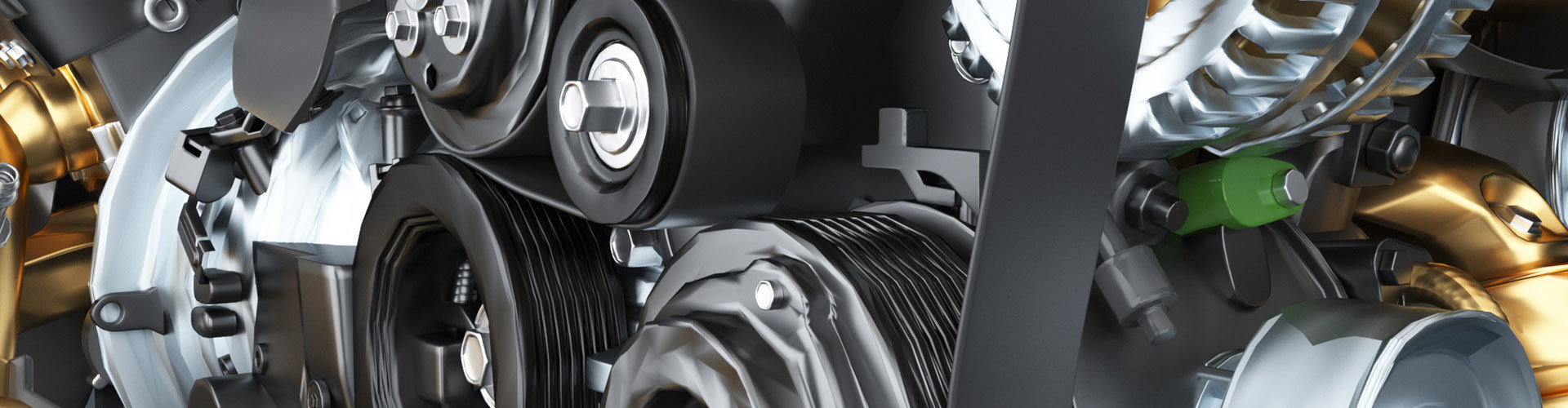
Cutting belt is different in design and use from a regular V-belt, as it transmits power through the meshing of teeth and pulleys, while a regular V-belt relies on friction between the belt and pulley grooves. Tooth shaped belts are usually used in situations that require synchronous transmission and high-precision positioning, while ordinary V-belts are more commonly used in general friction transmission
Cutting belt is different in design and use from a regular V-belt, as it transmits power through the meshing of teeth and pulleys, while a regular V-belt relies on friction between the belt and pulley grooves. Tooth shaped belts are usually used in situations that require synchronous transmission and high-precision positioning, while ordinary V-belts are more commonly used in general friction transmission
Cutting belt is different in design and use from a regular V-belt, as it transmits power through the meshing of teeth and pulleys, while a regular V-belt relies on friction between the belt and pulley grooves. Tooth shaped belts are usually used in situations that require synchronous transmission and high-precision positioning, while ordinary V-belts are more commonly used in general friction transmission
Cutting belt is different in design and use from a regular V-belt, as it transmits power through the meshing of teeth and pulleys, while a regular V-belt relies on friction between the belt and pulley grooves. Tooth shaped belts are usually used in situations that require synchronous transmission and high-precision positioning, while ordinary V-belts are more commonly used in general friction transmission
Cutting belt is different in design and use from a regular V-belt, as it transmits power through the meshing of teeth and pulleys, while a regular V-belt relies on friction between the belt and pulley grooves. Tooth shaped belts are usually used in situations that require synchronous transmission and high-precision positioning, while ordinary V-belts are more commonly used in general friction transmission
Cutting belt is different in design and use from a regular V-belt, as it transmits power through the meshing of teeth and pulleys, while a regular V-belt relies on friction between the belt and pulley grooves. Tooth shaped belts are usually used in situations that require synchronous transmission and high-precision positioning, while ordinary V-belts are more commonly used in general friction transmission
Cutting belt is different in design and use from a regular V-belt, as it transmits power through the meshing of teeth and pulleys, while a regular V-belt relies on friction between the belt and pulley grooves. Tooth shaped belts are usually used in situations that require synchronous transmission and high-precision positioning, while ordinary V-belts are more commonly used in general friction transmission
Cutting belt is different in design and use from a regular V-belt, as it transmits power through the meshing of teeth and pulleys, while a regular V-belt relies on friction between the belt and pulley grooves. Tooth shaped belts are usually used in situations that require synchronous transmission and high-precision positioning, while ordinary V-belts are more commonly used in general friction transmission
Cutting belt is different in design and use from a regular V-belt, as it transmits power through the meshing of teeth and pulleys, while a regular V-belt relies on friction between the belt and pulley grooves. Tooth shaped belts are usually used in situations that require synchronous transmission and high-precision positioning, while ordinary V-belts are more commonly used in general friction transmission